








Ichkabal
Archeological site
Ichkabal
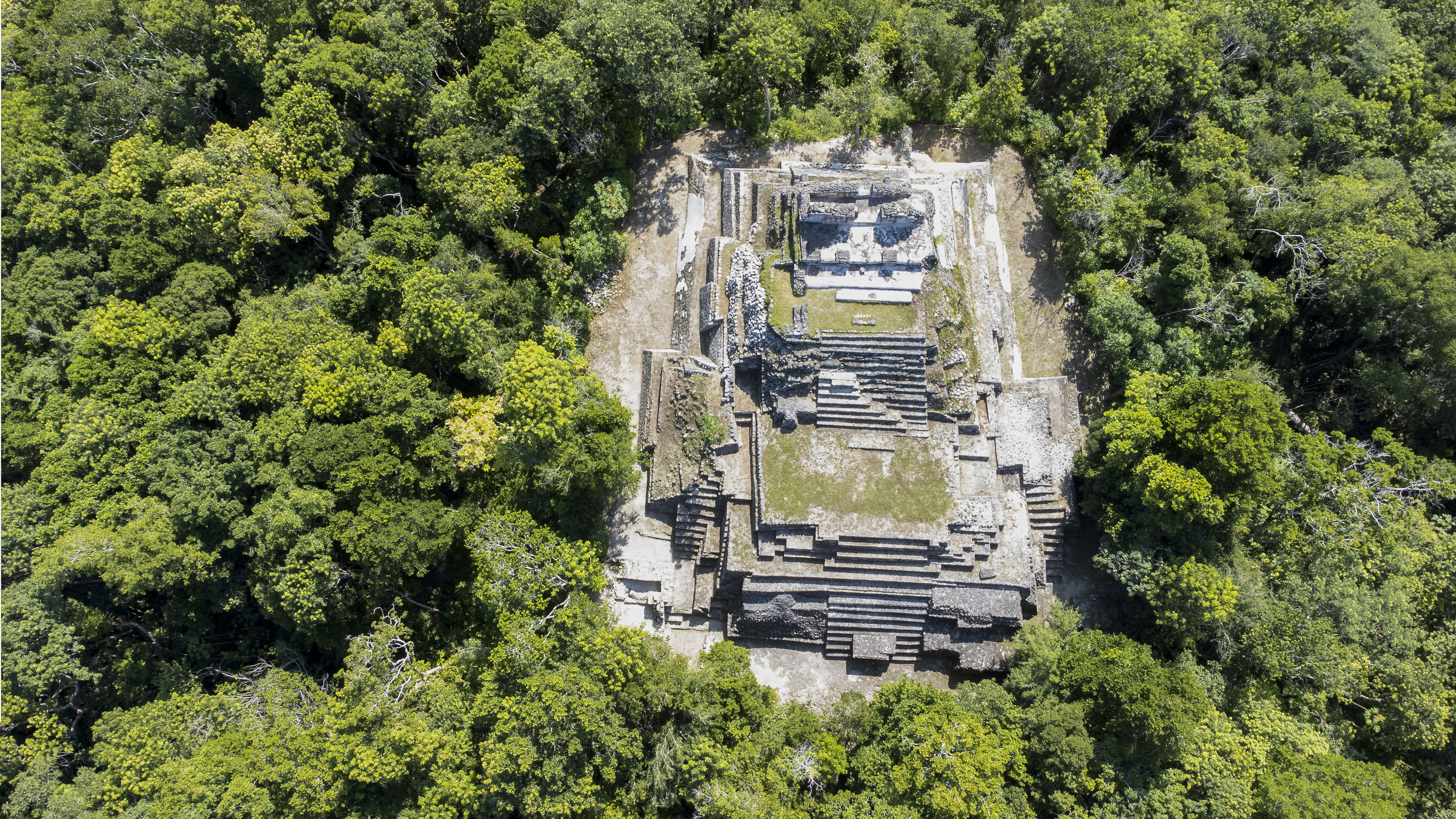
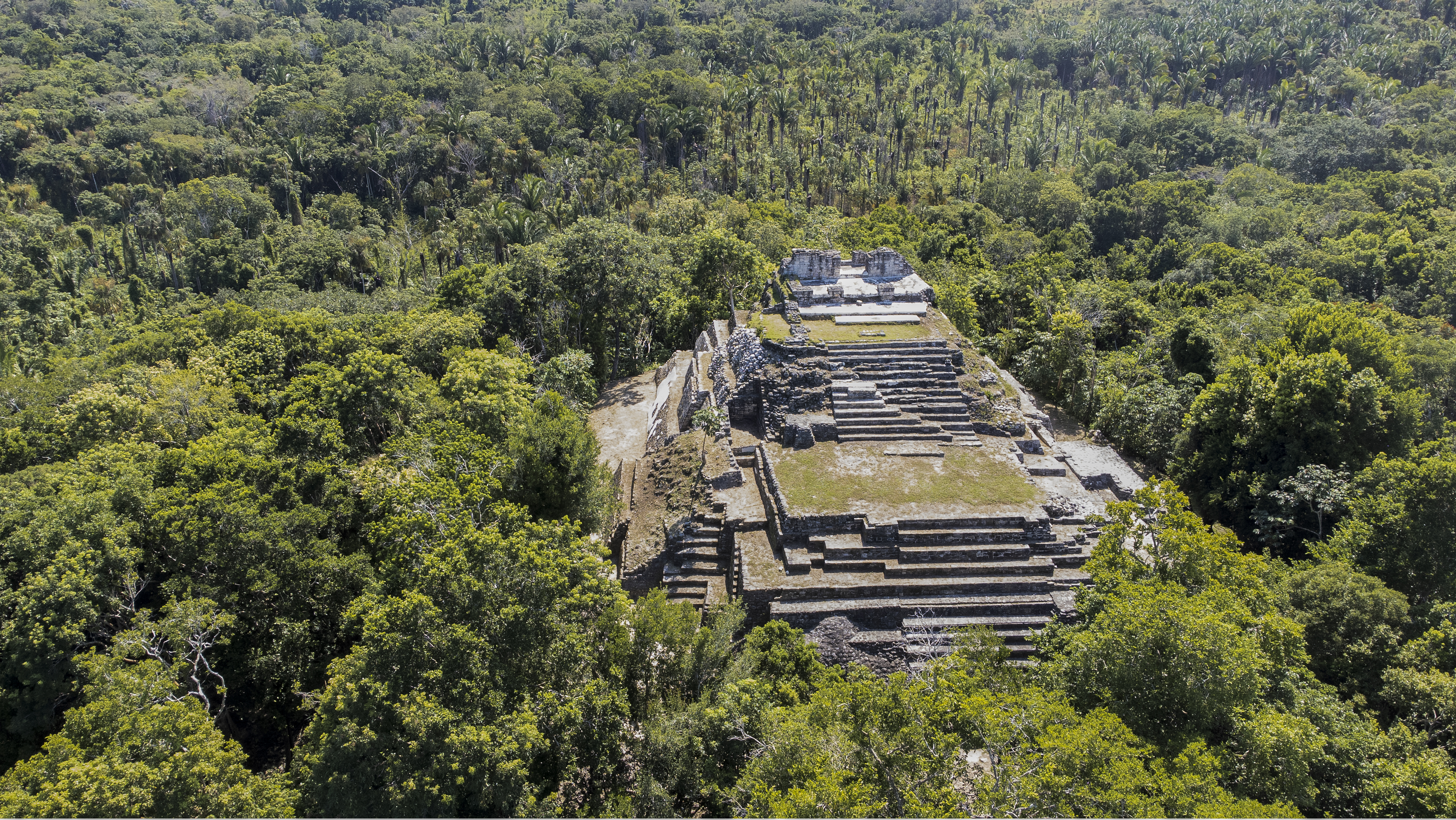
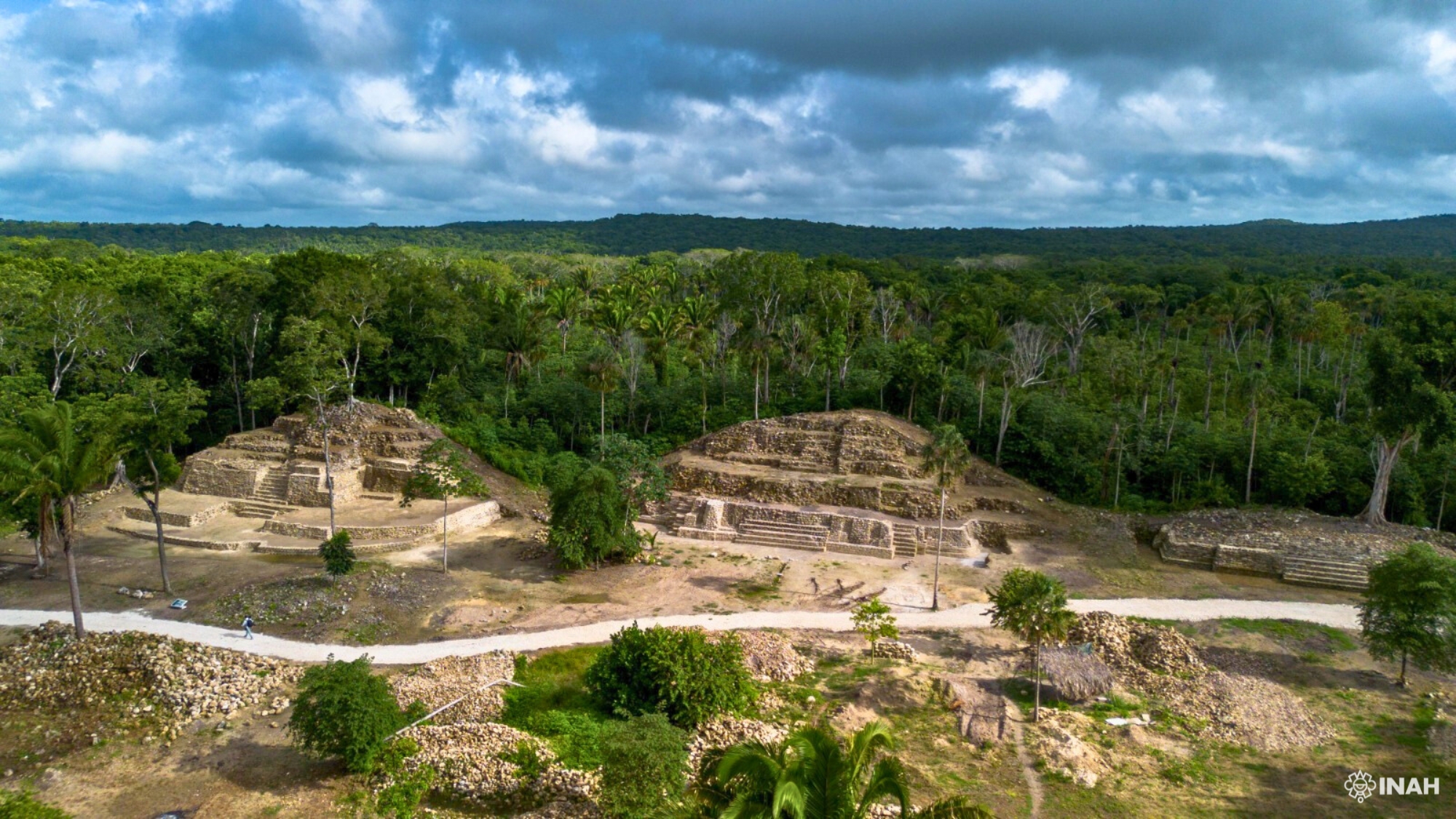
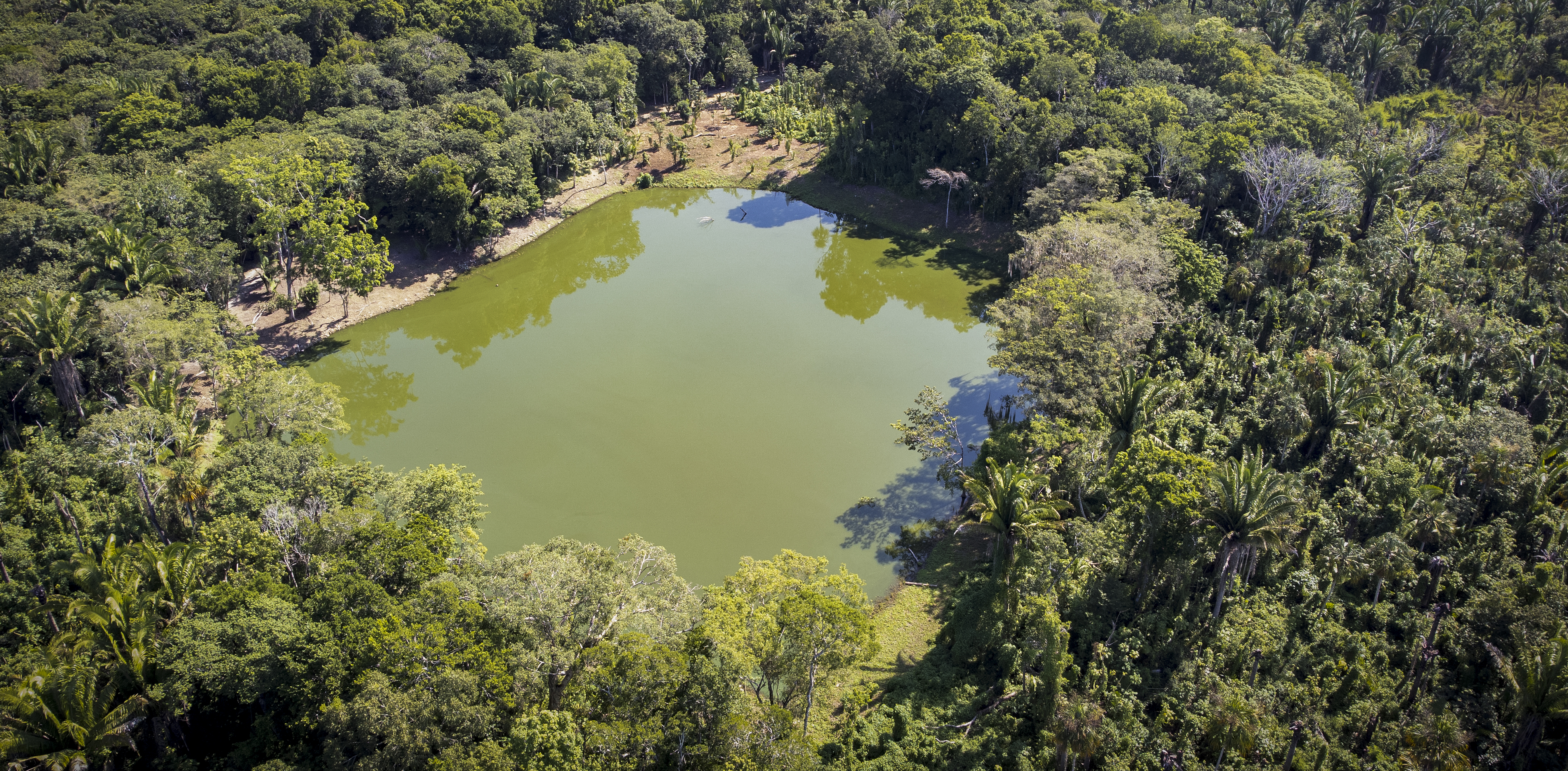
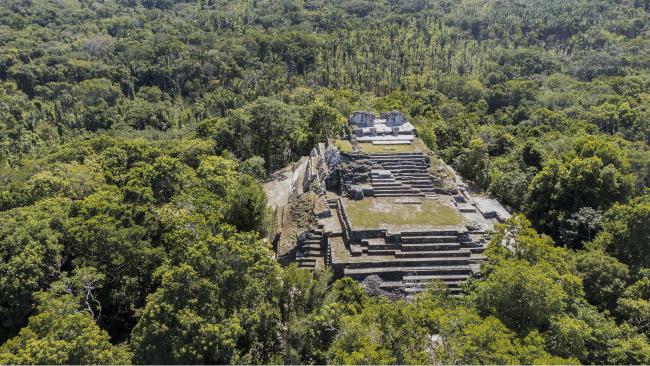
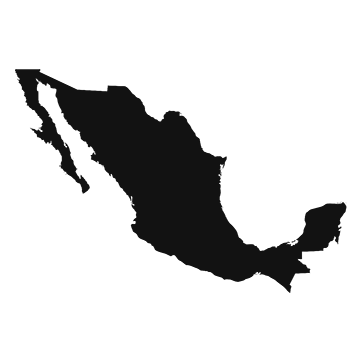
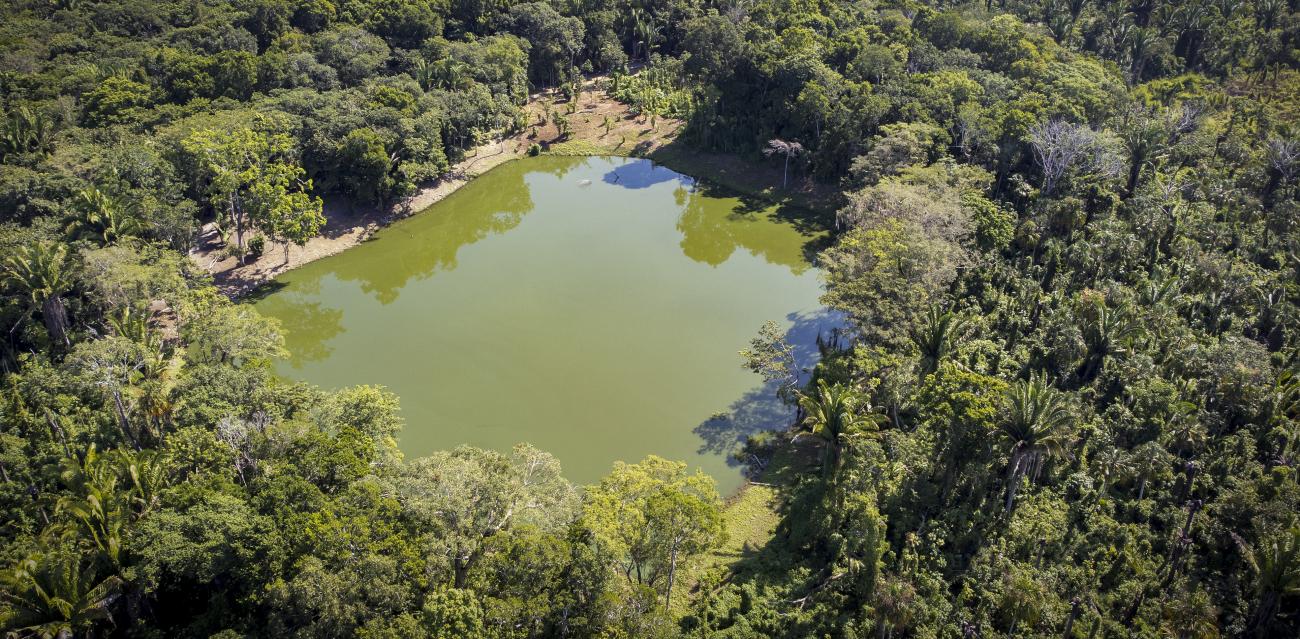
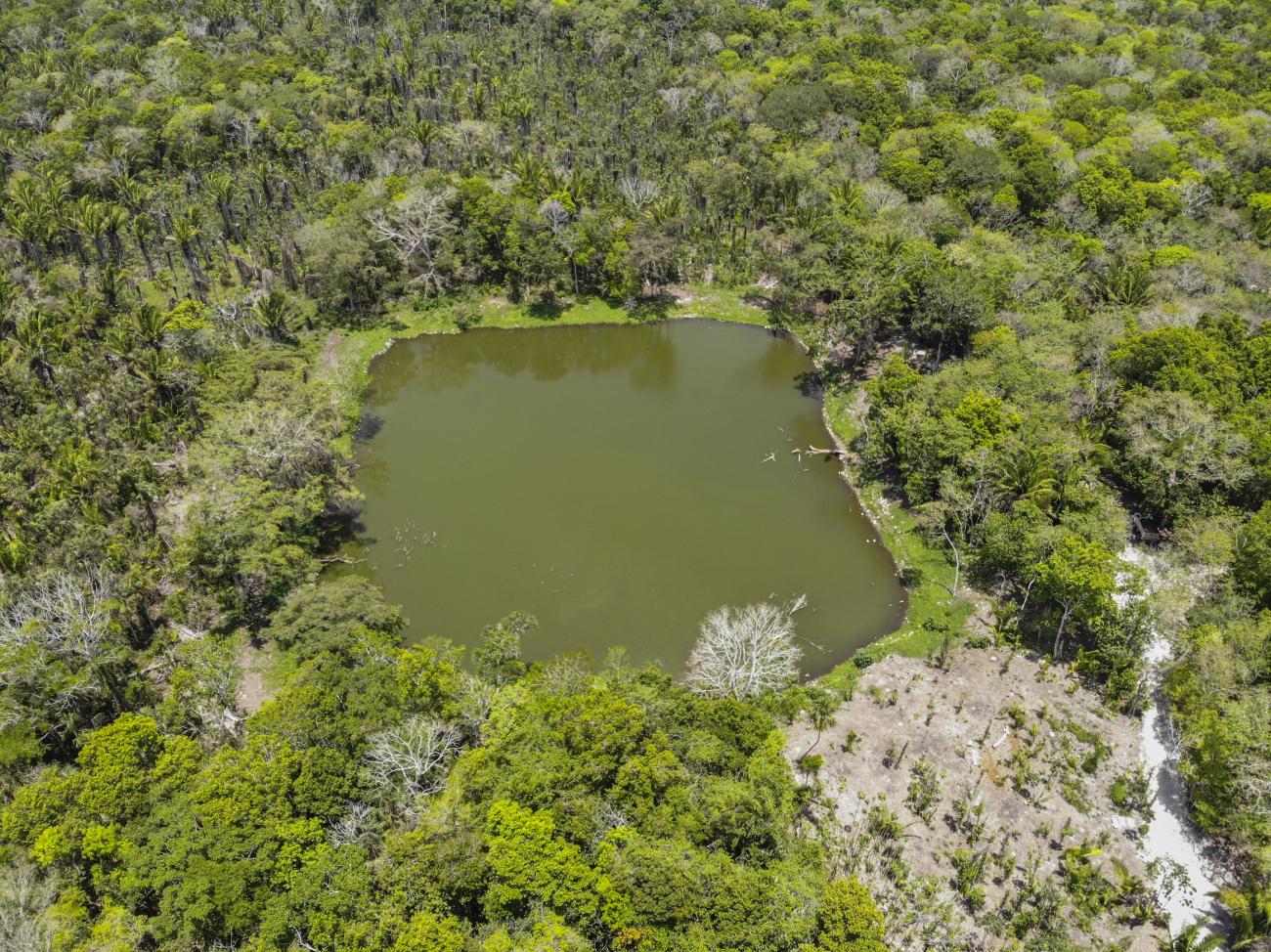
It is one of the Maya settlements of greatest archaeological importance in southern Quintana Roo, Mexico. It is located in the municipality of Bacalar, approximately 40 kilometers from the city of Bacalar, within an area characterized by tropical rainforests, low-lying lands, and various water systems. Its location helps illustrate the close relationship that existed between Mayan societies and the environment, as well as the strategic importance of certain territories for the establishment and development of large urban centers.
Between 200 B.C. and 200 A.D., the city played a key role in the development of the architectural style known as Petén. It was contemporary with major capitals such as Calakmul and Tikal—in the present-day territories of Campeche and Guatemala, respectively—with which it shared the cultural heyday of the Classic Maya period (200 to 600 CE).
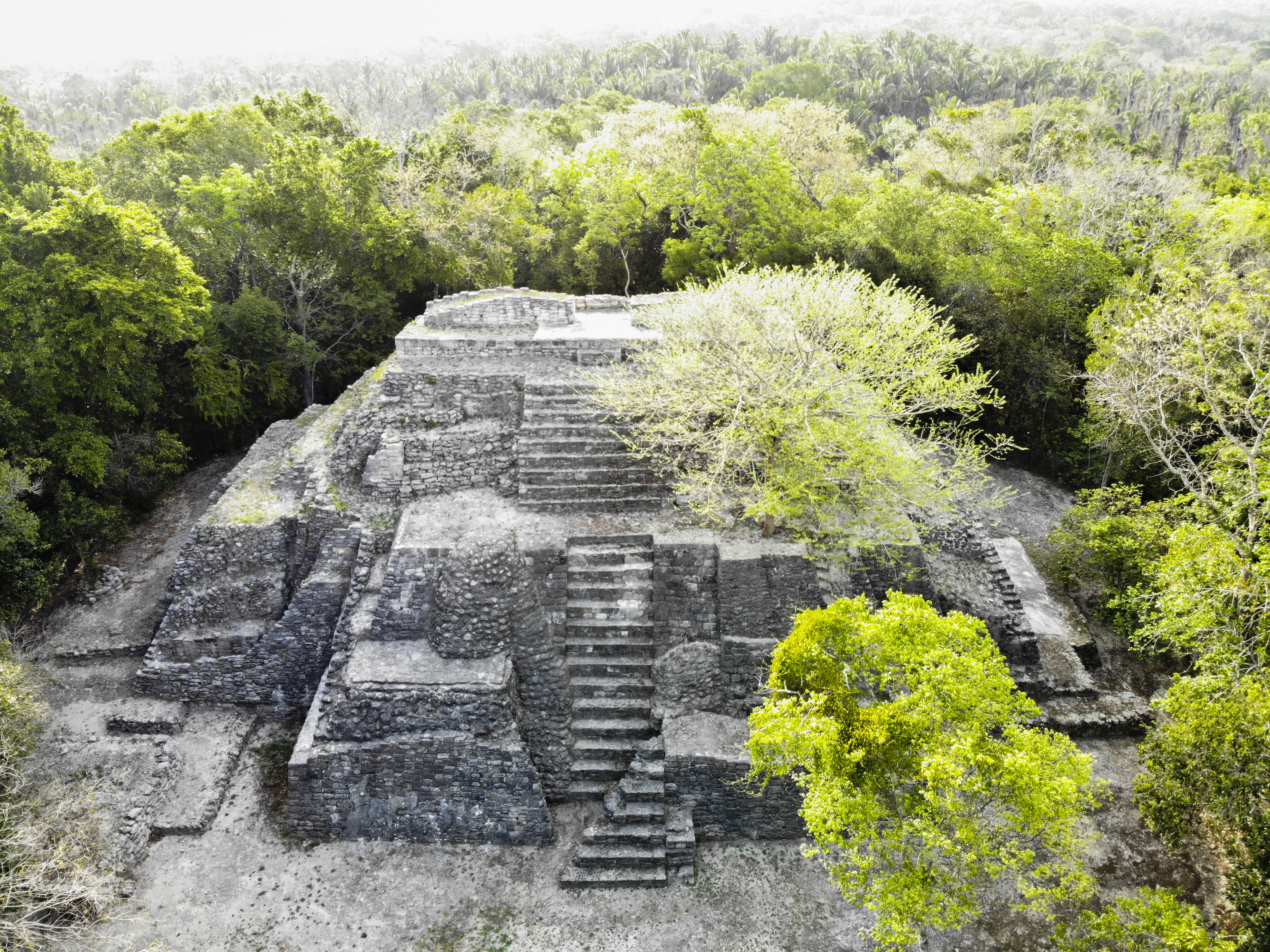
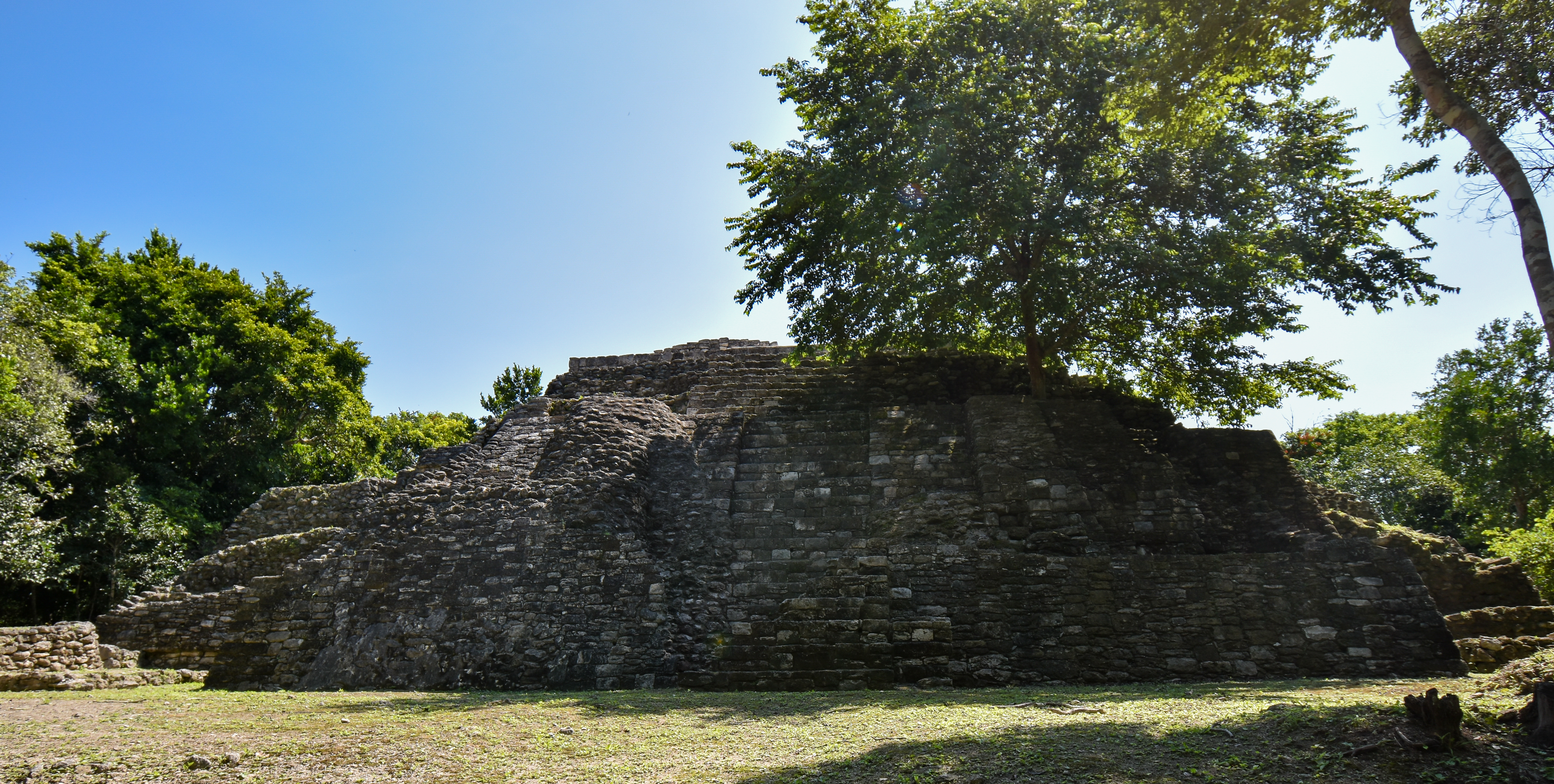
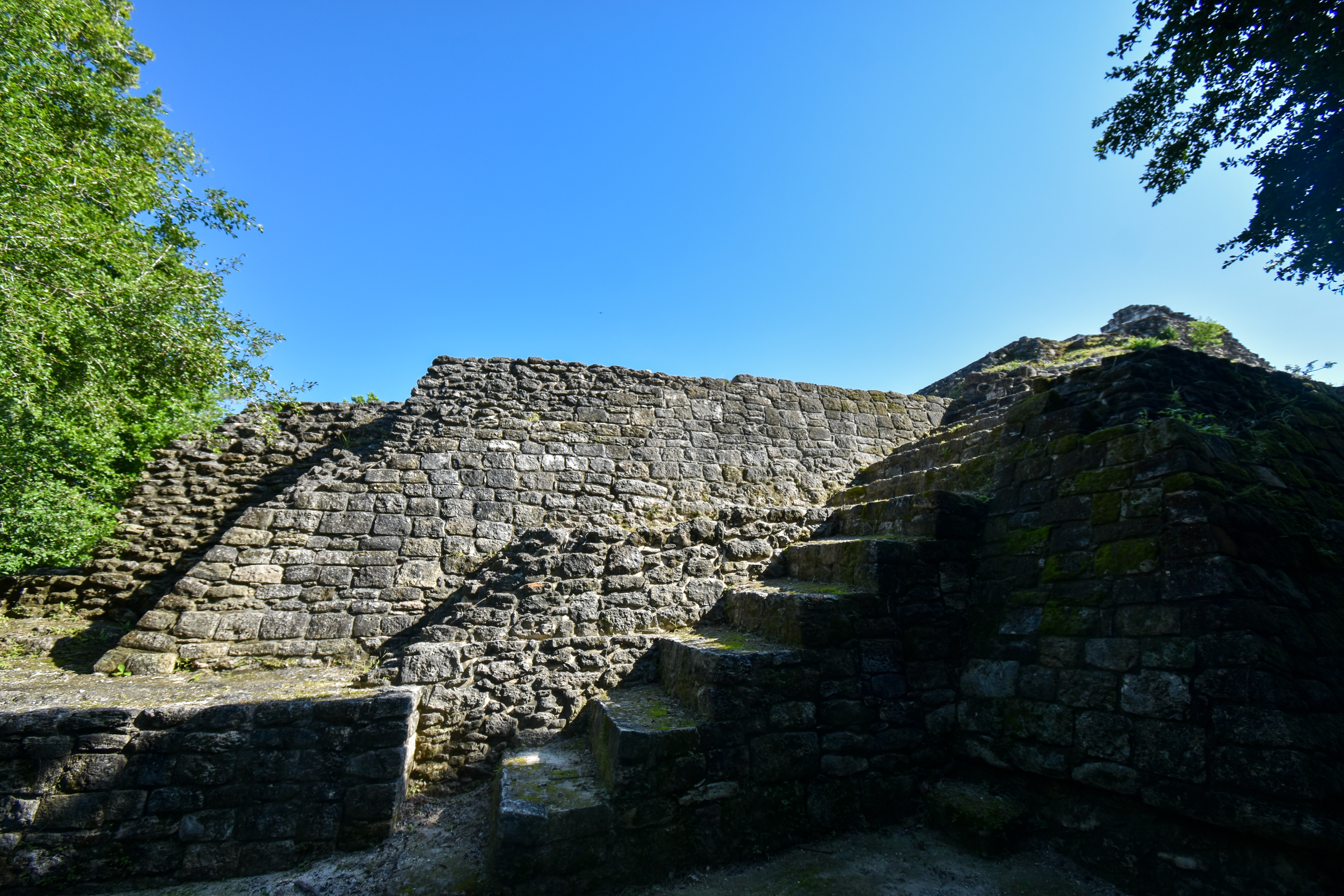
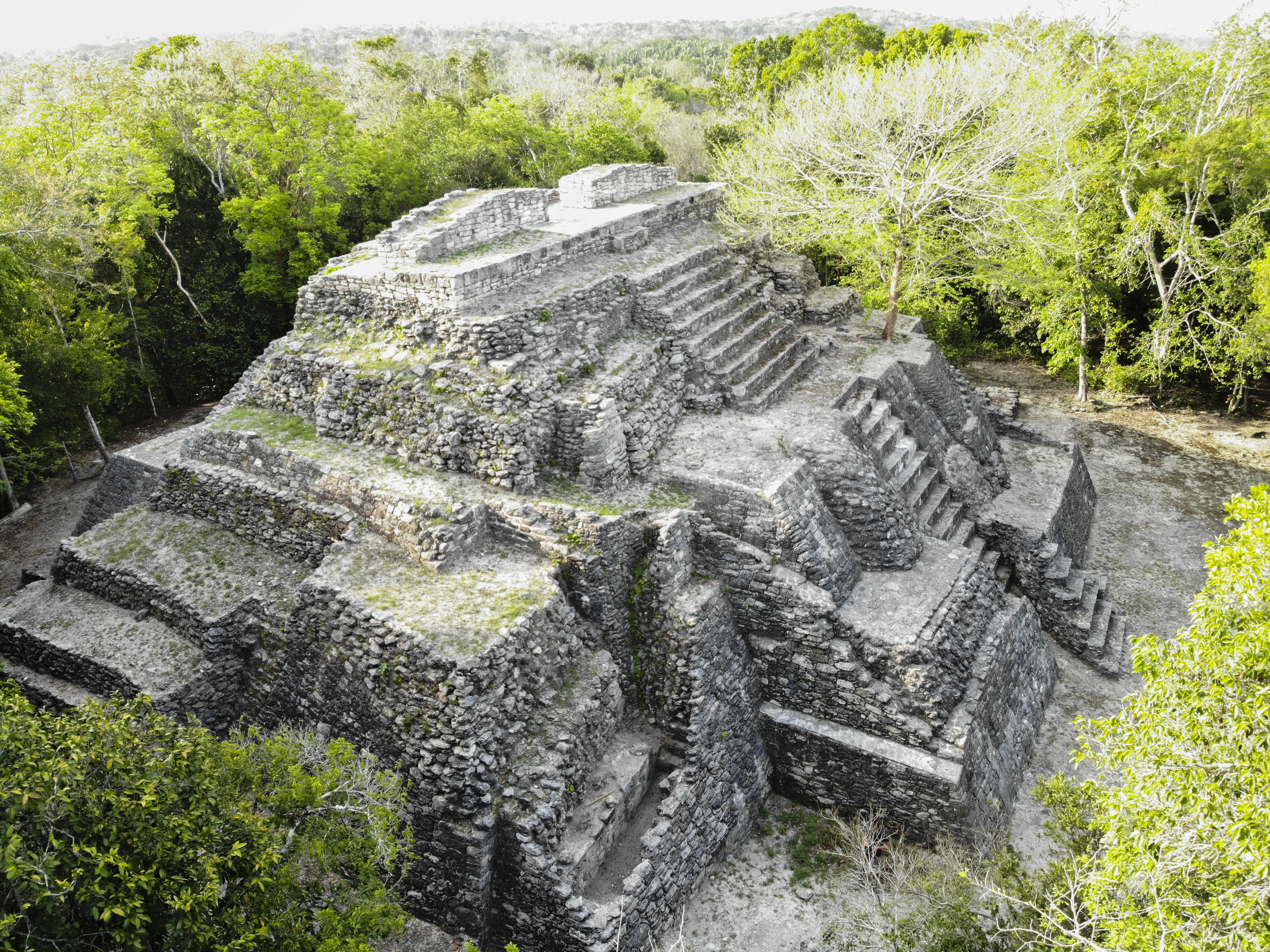
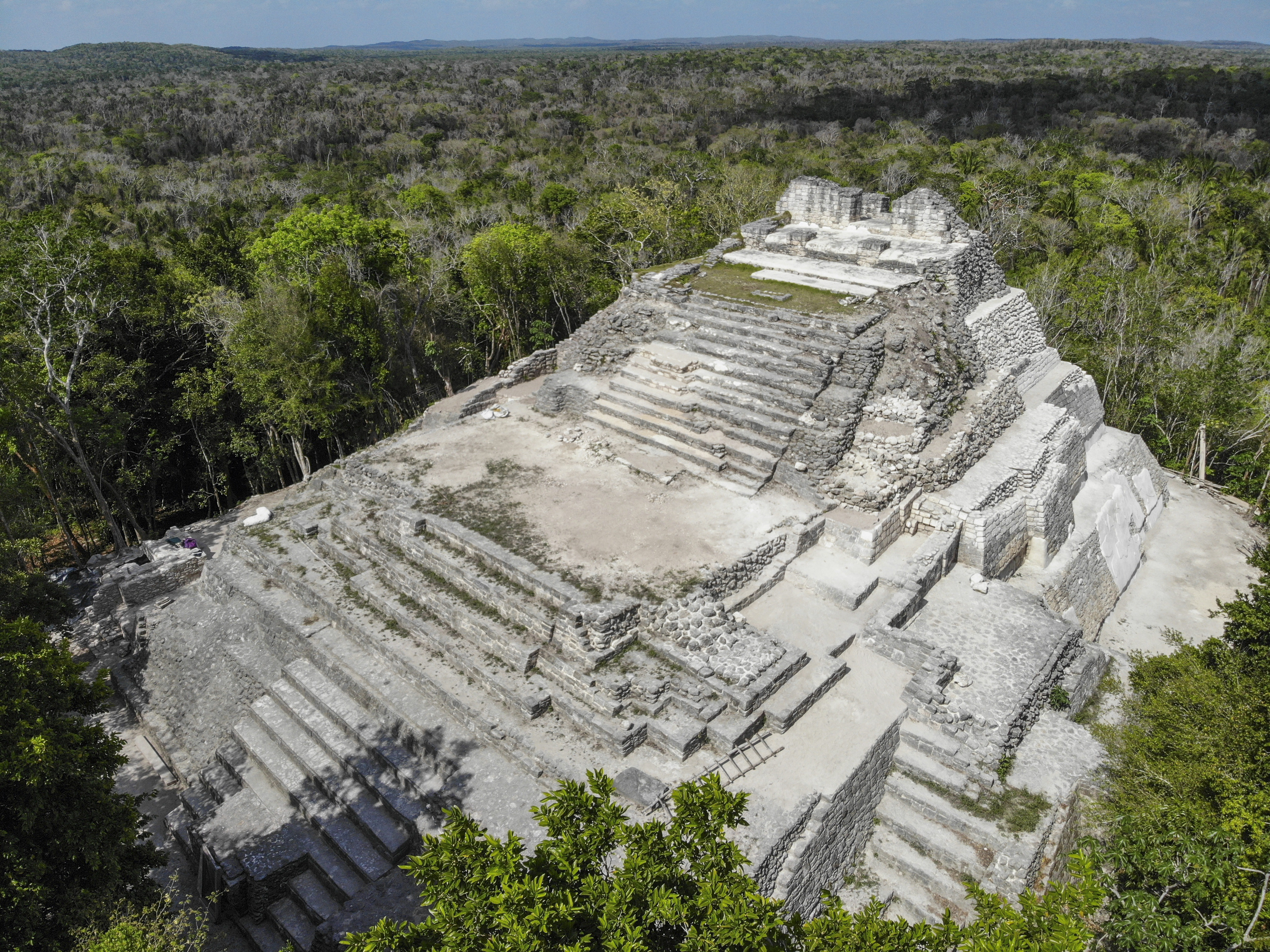
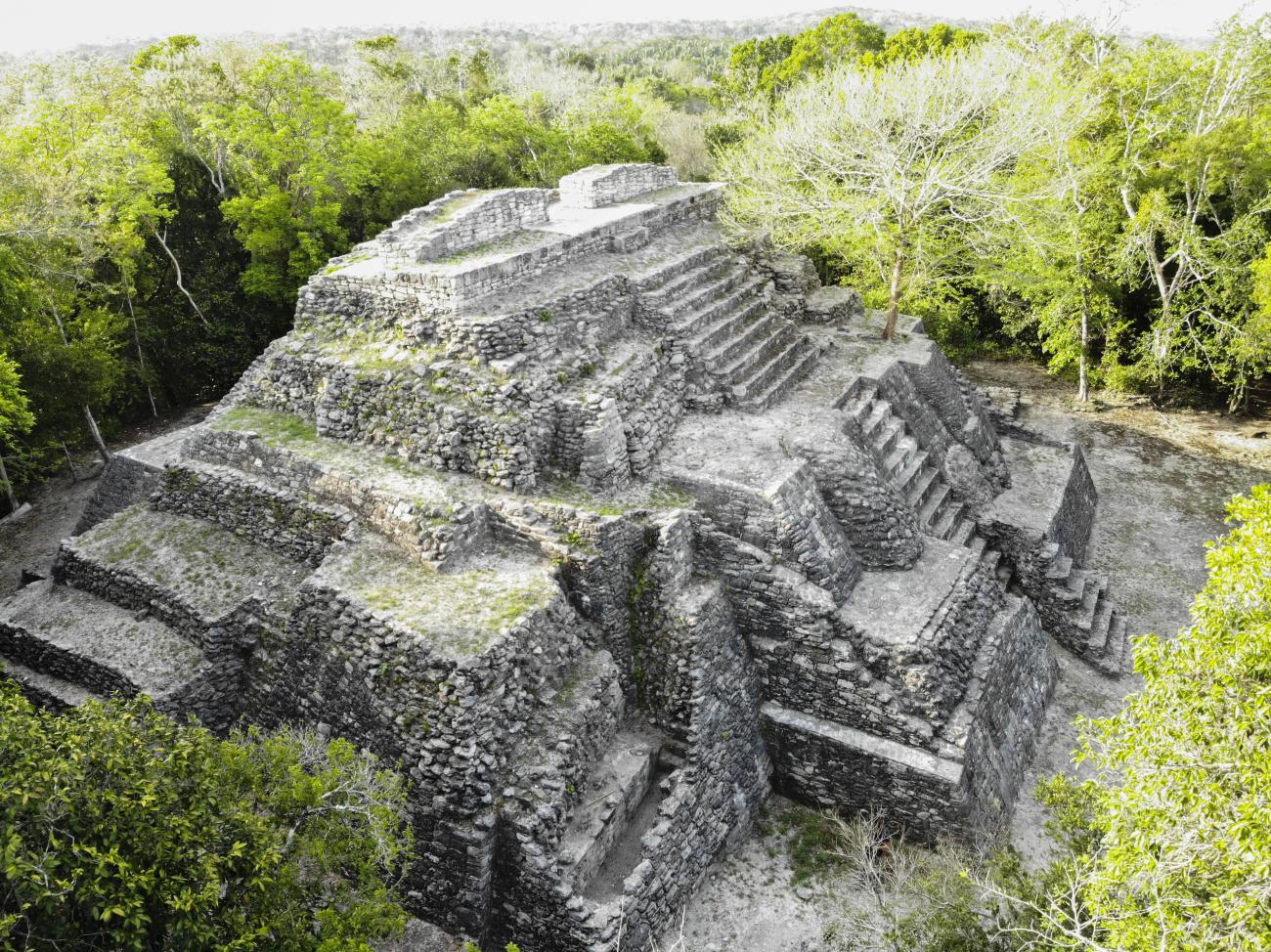
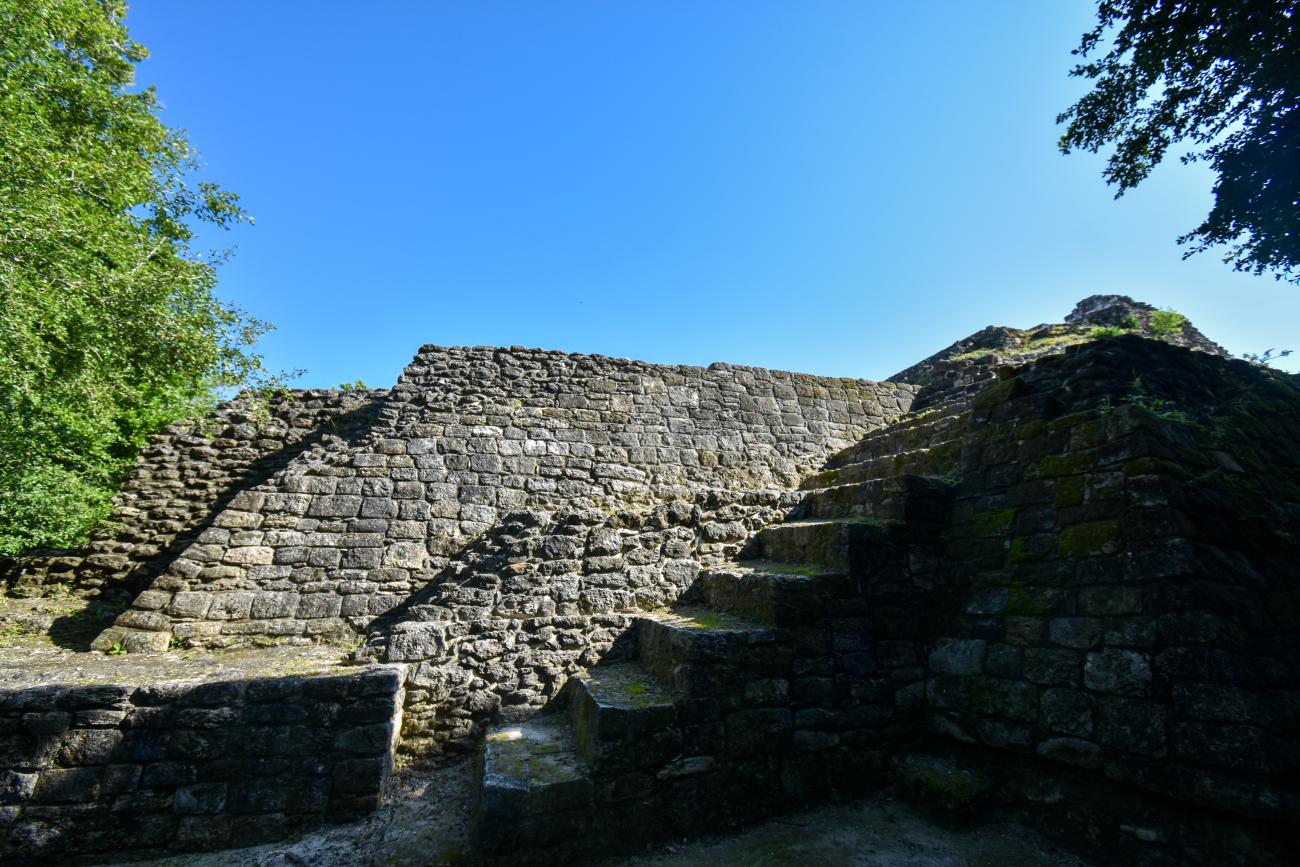
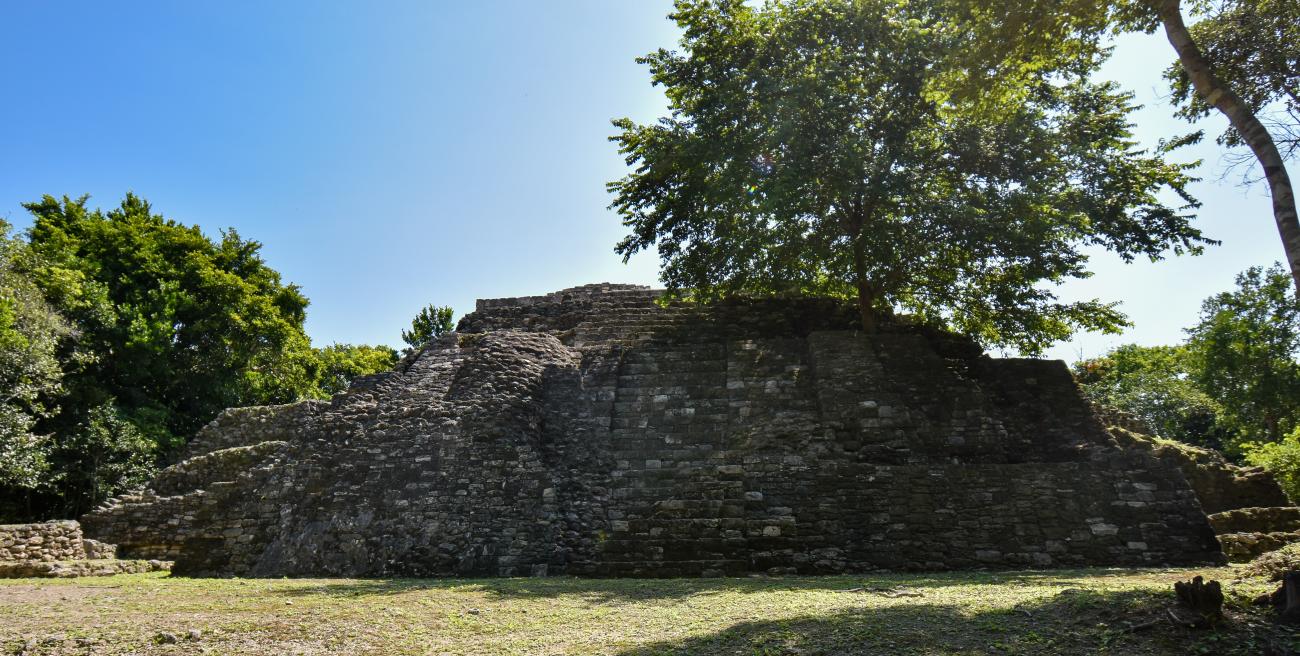
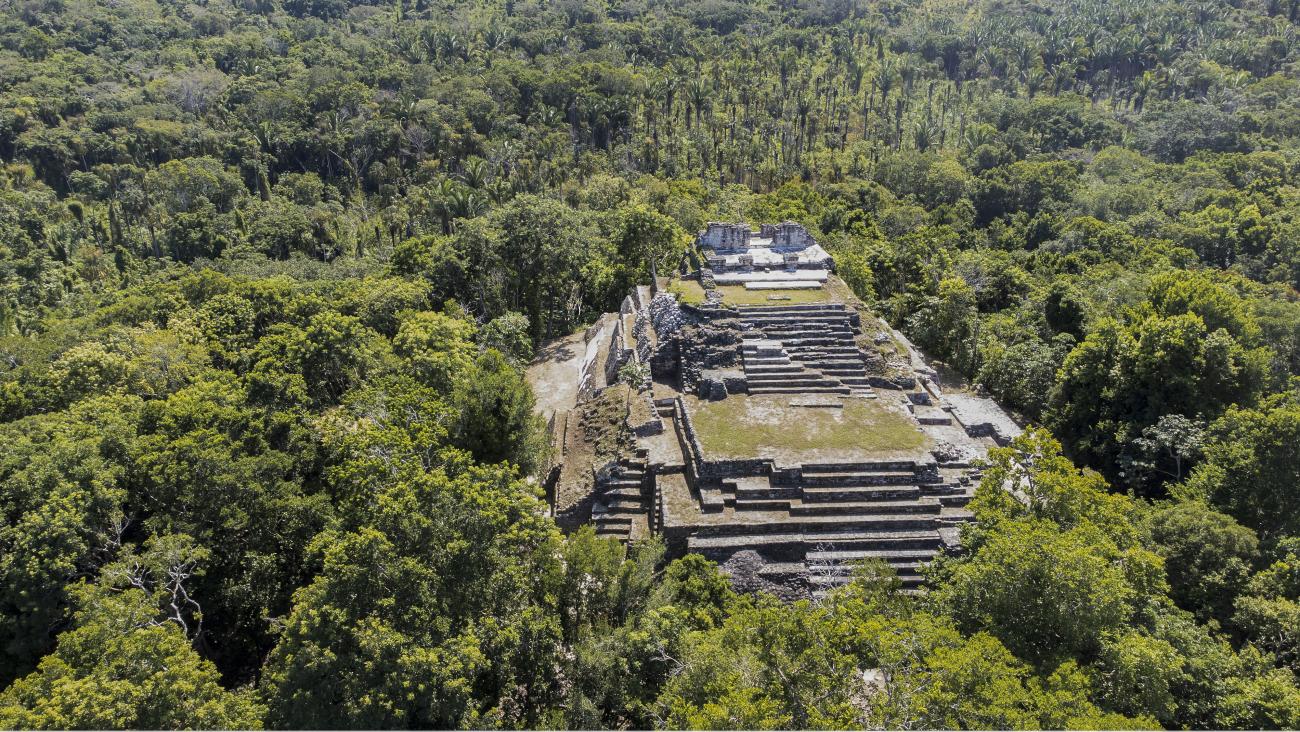
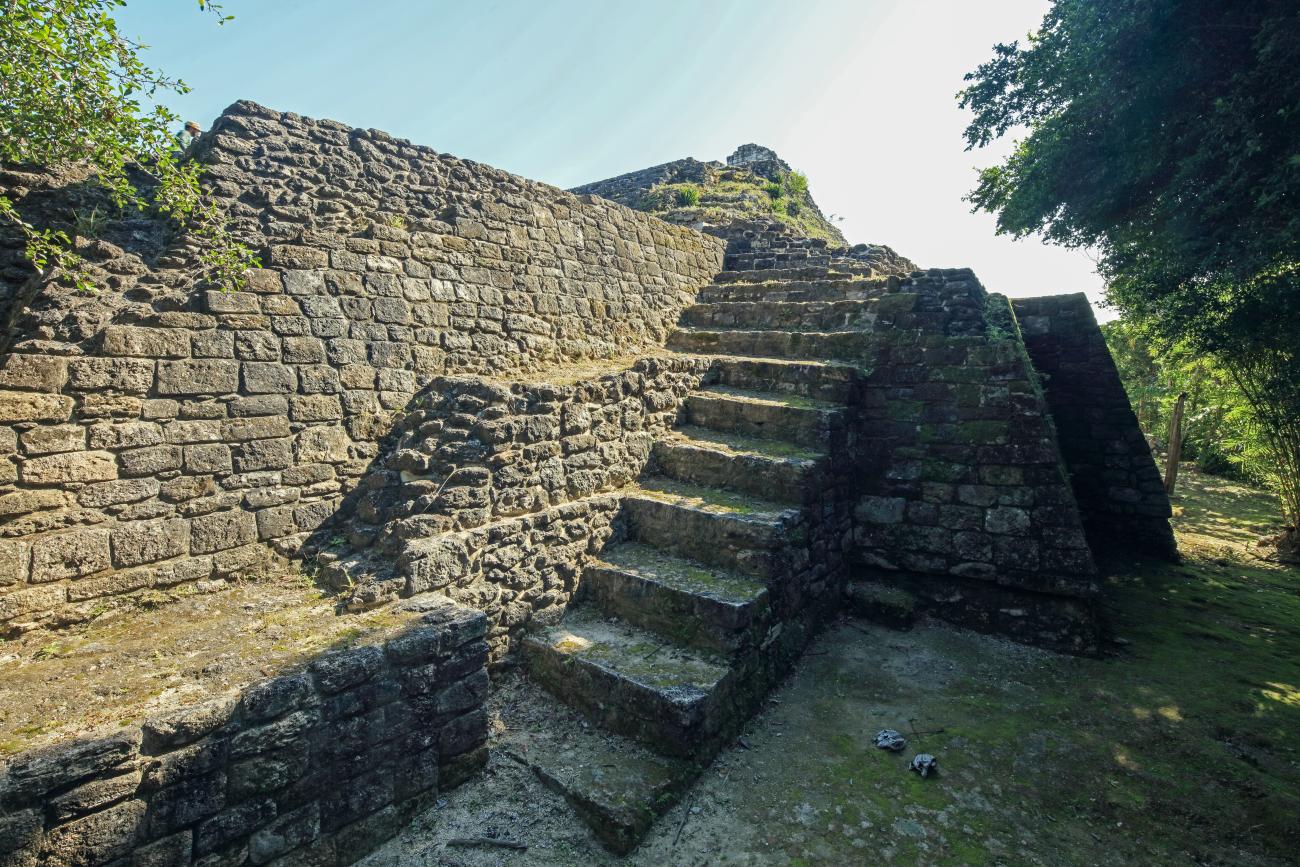
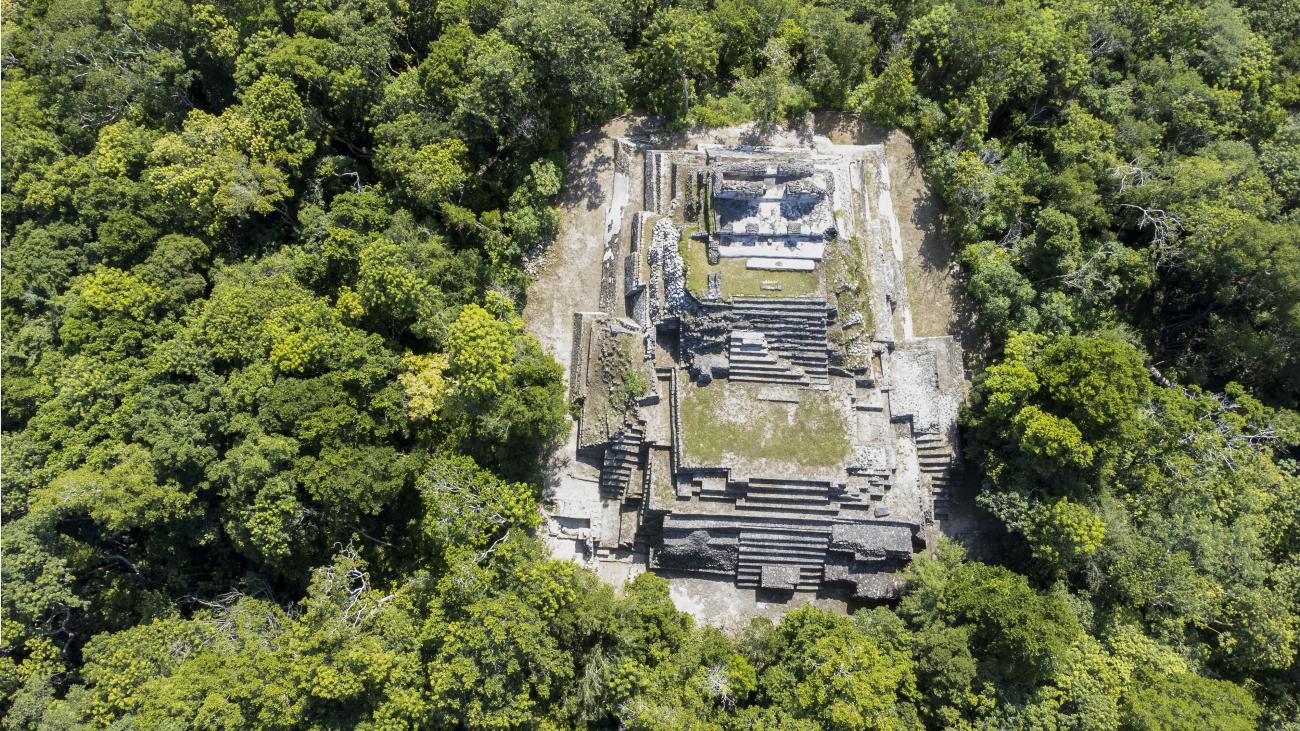
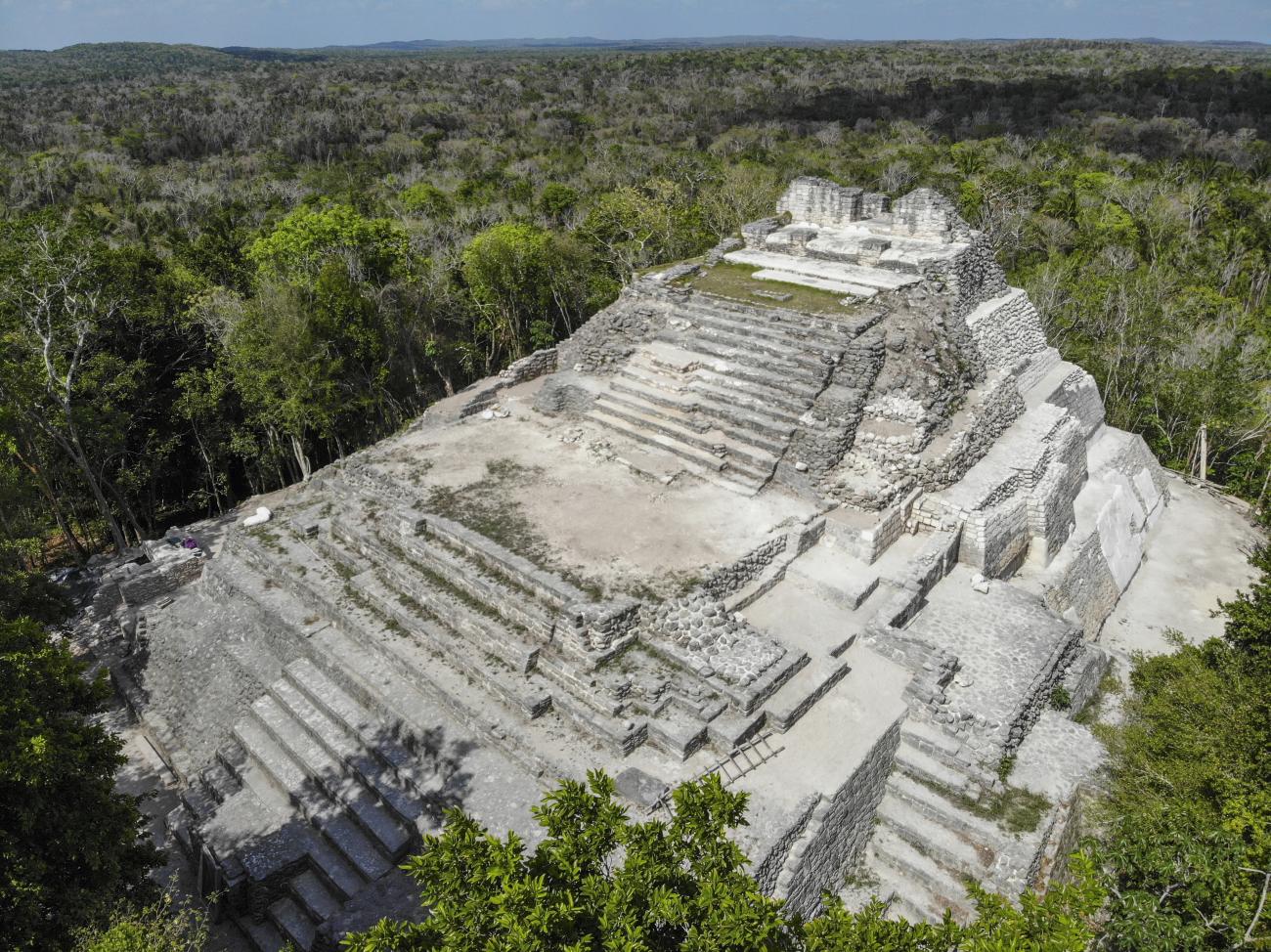
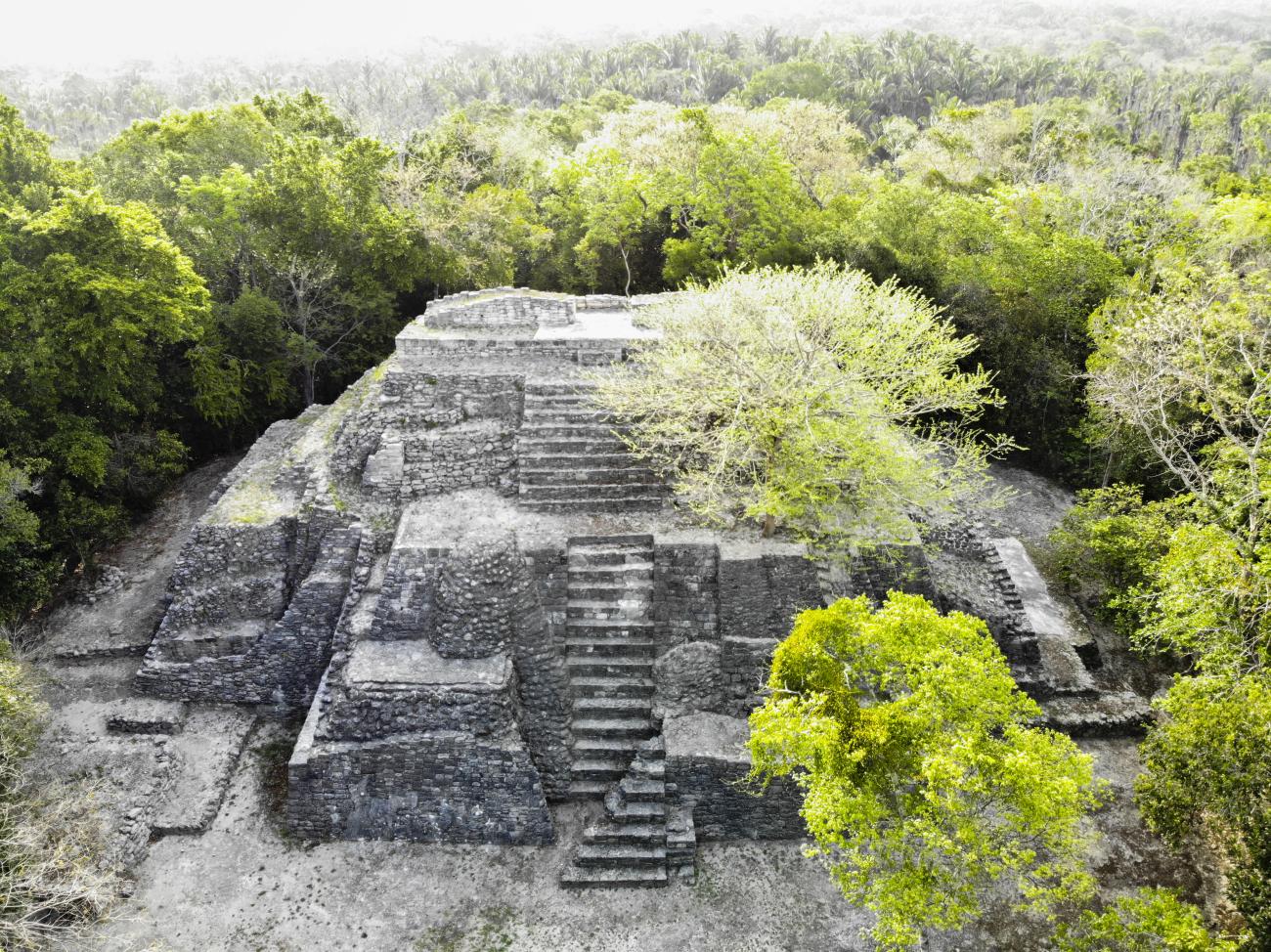
It is distinguished by its particularly tall structures within this cultural region, many of which exceed 40 meters in height and are commonly grouped in triadic complexes.
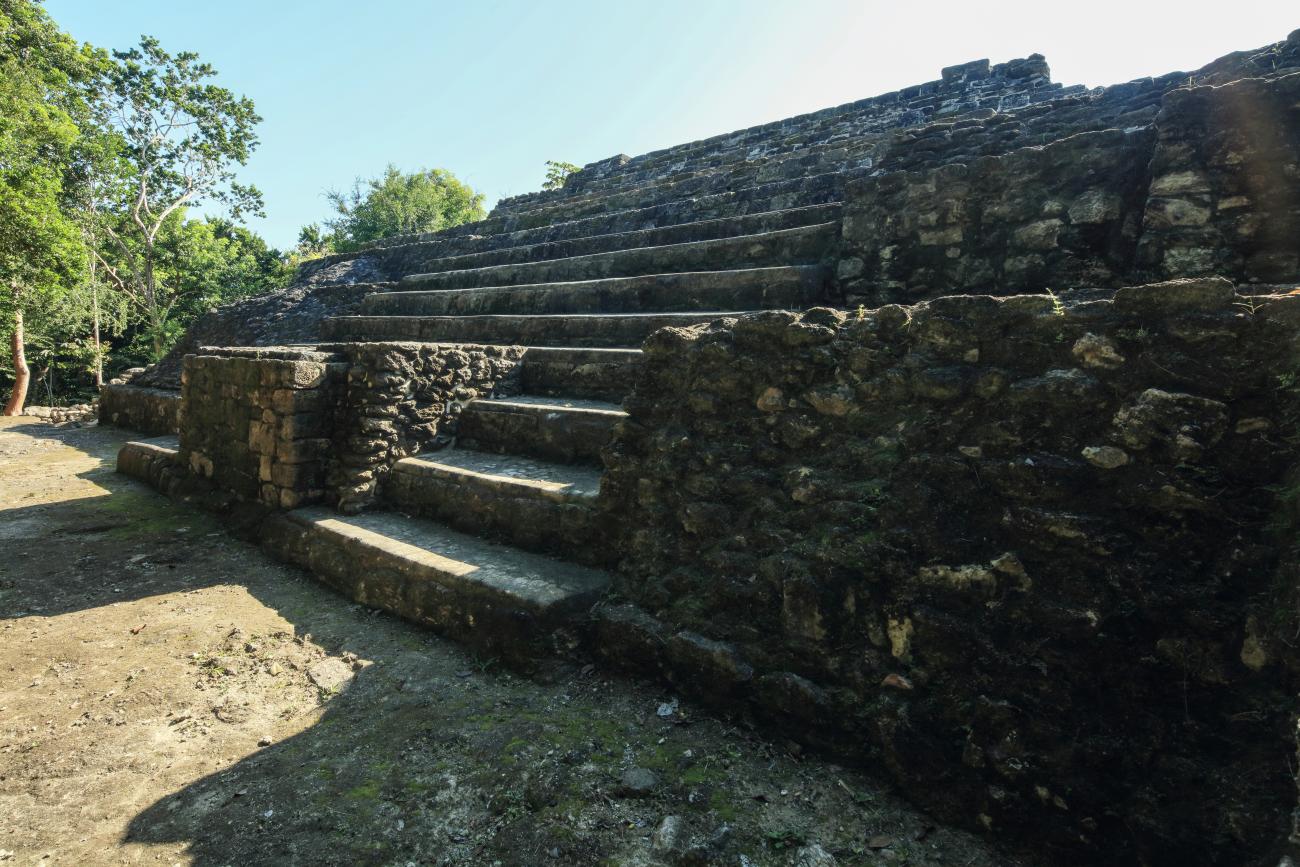
As an archaeological site, Ichkabal was registered on January 30, 1996. Since the 2000s, the INAH has carried out various projects focused on archaeological survey, cleaning, conservation, and restoration of monumental structures, stucco remains, and mural paintings; this has been made possible by teams led by specialists such as Luz Evelia Campaña, Javier López Camacho, Enrique Nalda Hernández, Hortensia de Vega Nova, and Sandra Balanzario Granados.
Ichkabal’s significance is primarily linked to its age, size, and monumental architecture. Archaeological research indicates that the settlement began to develop around 200 B.C., during the Late Preclassic period, and that it subsequently underwent a process of growth that reached its peak during the Classic period. This long period of occupation allows us to study different stages of transformation in Maya society and observe how communities progressively modified their urban and ceremonial spaces.
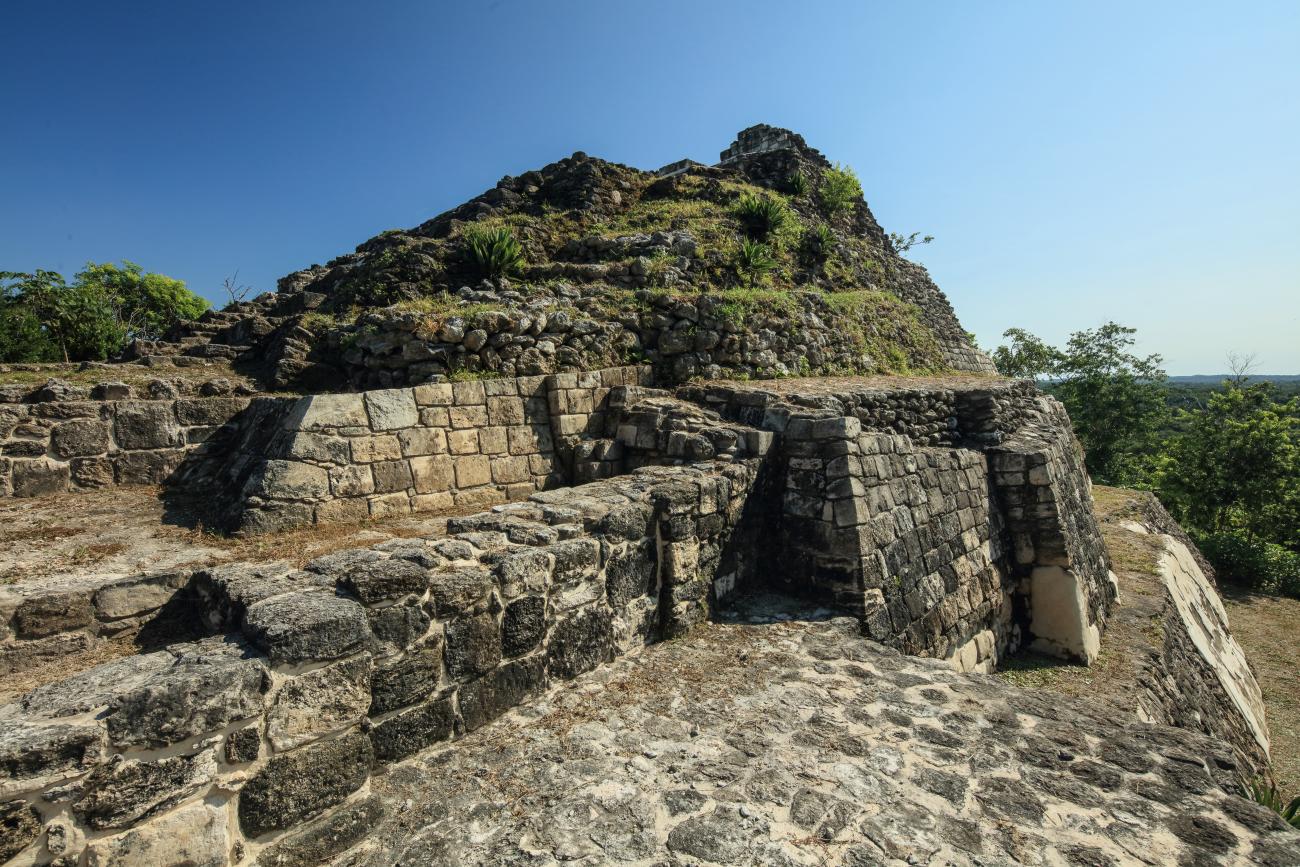
One of the site’s most notable features is the presence of large-scale monumental structures. Some structures exceed 40 meters in height, demonstrating the capacity of the society that inhabited Ichkabal to organize large-scale labor and resources. The construction of these buildings required not only technical expertise but also a social structure capable of coordinating activities related to the extraction of materials, transportation, construction, and maintenance of the structures. For this reason, the architecture serves as a fundamental source for studying the political and social organization of the settlement.
The plazas and architectural complexes of Ichkabal also provide insight into the city’s ceremonial and political functions. In Maya societies, public spaces and monumental buildings could be used to conduct religious ceremonies, political activities, and communal events. Architecture also helped to visually represent social hierarchies and the authority of the ruling groups. Large-scale buildings could serve as symbols of power and as spaces designed to establish a connection between the population, the ruling elites, and the religious beliefs of the time.
The religious dimension of Ichkabal is closely linked to its architecture. For the ancient Maya, built spaces held meanings that went beyond their practical function. Elevated structures, plazas, and sculptural elements could form part of a symbolic representation of the universe. Certain buildings could be associated with sacred mountains and with concepts related to the connection between different realms of the cosmos. The decorative and sculptural elements found in some buildings also provide insight into the beliefs and ritual practices of their inhabitants.
Another key aspect for understanding Ichkabal is its relationship with other Maya cities. The settlement was part of a broader political and cultural landscape that included numerous urban centers. Maya communities established relationships based on exchange, communication, cooperation, and competition. Comparing architecture and archaeological materials allows us to study regional connections and understand how goods, knowledge, styles, and cultural practices circulated. In this context, Ichkabal helps expand our knowledge of the political and economic dynamics that characterized the Maya lowlands.
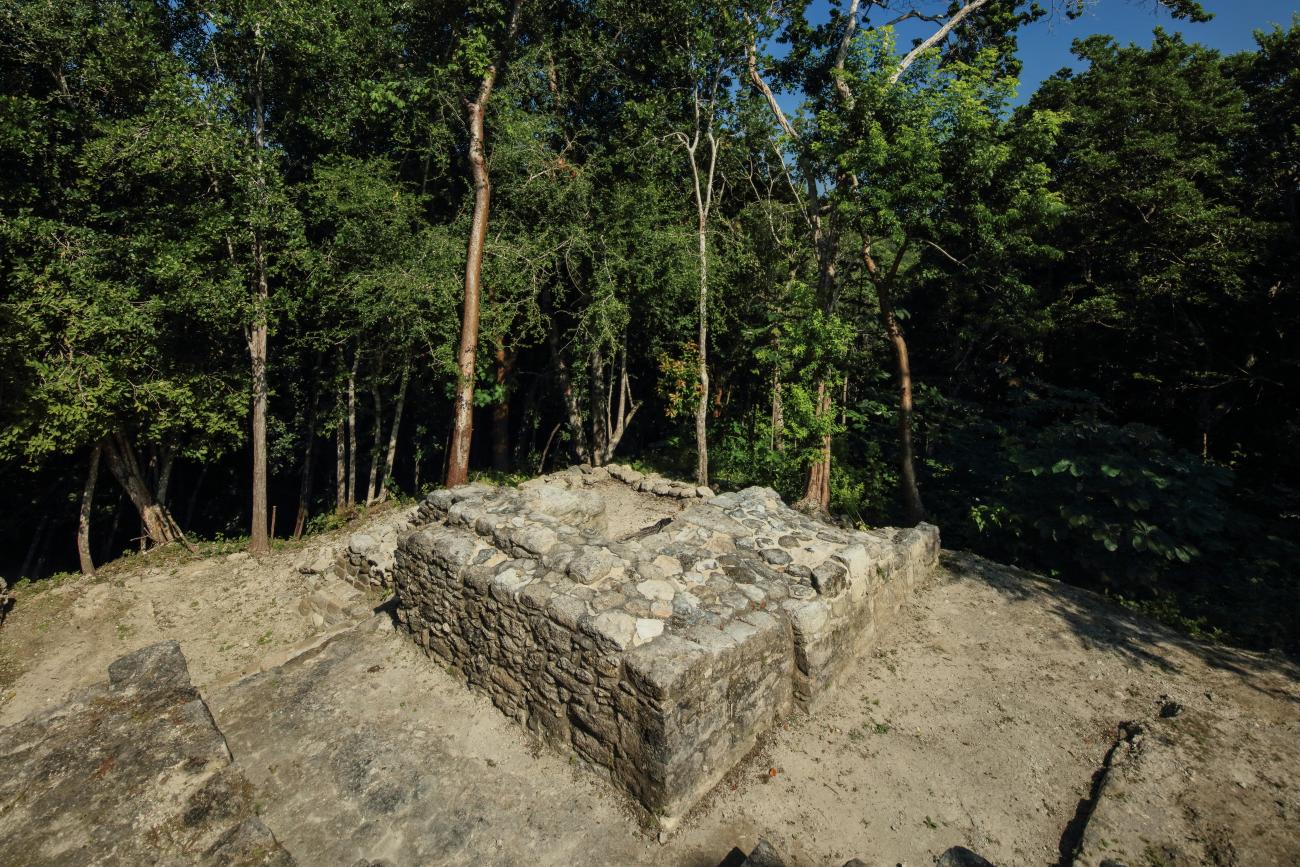
Our current understanding of Ichkabal is the result of a long process of archaeological research and exploration. For a long time, a considerable portion of its structures remained hidden beneath the jungle vegetation. The vegetation helped conceal and protect some architectural elements, but it also hindered their study and conservation. Subsequent research made it possible to identify the extent and complexity of the settlement, as well as to document its main architectural complexes.

Contact
- Dirección del Centro INAHMargarito Molina Rendónmargarito_molina@inah.gob.mx+52 (983) 837 2411Administración del Centro INAHWilliams Ferneli Tun Cabwilliams_tun@inah.gob.mx+52 (983) 837 2411 ext. 318005
